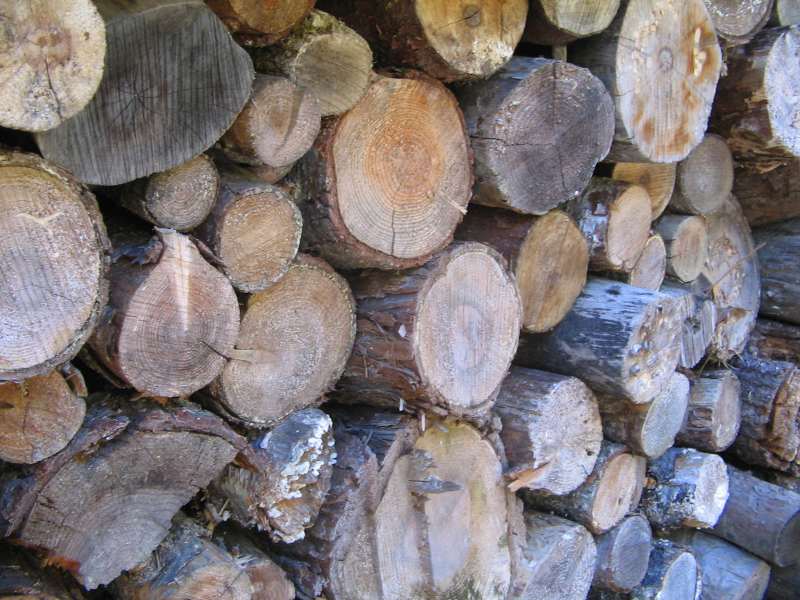
What is the Best Firewood to Burn?

best firewood to burn
The best firewood to burn will depend on what you are trying to accomplish.

I often hear people ask, “what is the best firewood to burn”? There are differences between the way different types of wood burn, especially between dense hardwoods and less dense woods like softwoods.

There are also types of wood that will produce more ash than others or more creosote build-up.

Which type of wood is the best burning wood will depend on what you want to get out of  burning it. Someone who wants wood for a campfire may want something different than someone who wants to heat their home with a wood stove.

The biggest thing that determines how wood burns is its density. More dense woods, like dense hardwoods, burn slower and have more total energy. That is because there is more actual wood fiber to burn than in the same volume of less dense woods. These types of wood produce more glowing coals and give a lot of radiant heat over a long period of time. This makes them very popular for wood stoves and home heating. Examples of these types of wood include oak, hickory, locust, madrone, maple, walnut and many fruit woods.

Less dense woods like softwood and the softer hardwoods have less wood fiber in them than hardwood. Because of this they tend to burn faster and put out less total heat. But they are easier to ignite and tend to burn with fewer coals and more flames. This can make softwood a good choice for kindling and starting fires. It is also good where you would want larger flames like maybe a campfire or a fireplace. Many softwoods are more likely to crackle.

Low density hardwoods include aspen, cottonwood and alder. Softwood include cedar, pine, fir, hemlock and redwood. Learn the difference between hardwood and softwood.

If you ask which is the best burning firewood, someone might say low density woods like softwood burn best because they ignite easier making them easier to burn. Someone else might say hardwood burns best because it puts out more heat in a wood stove. Some people really like oak because some varieties hold a bed of coals for a long time, while others will not burn it because it produces so much ash.

Deciding which is the best firewood to burn will really come down to what you want to get out of it. All wood will burn well if it is dry and will put out heat. So if  you have it burn it. If you are deciding which type of wood to buy, keep in mind you should pay less for softer woods since there is less energy in them. If more heat is what you are looking for, it is usually worth it to pay more for the more dense hardwoods. A great place to start is to look at the different firewood BTU ratings of different wood species. The higher they are on the list, the more heat you will get out of the wood. The lower they are on the list, the less heat they will have but they will tend to be easier to ignite and more likely to burn with larger flames.
How to Season Firewood and Keep it Dry

How to Season Firewood

how to season firewood
Firewood develops cracks, called checks, as it dries.

If you buy or cut your wood green, you will need to dry it in order for it to burn more efficiently and safely. Learning how to season firewood is simple. It takes time for wood to fully dry, but there are a few tricks I will tell you about below that can speed up the firewood drying process.

When firewood is cut from a live tree it will be green. Green wood is wood that is still alive and full of sap, which is mostly water. When a tree is fresh cut, the moisture content can be 60% or more. Before your firewood will burn well, it will need to be seasoned. To season wood means to give the wood time for the water to evaporate out of it. Ideally it should be seasoned to about 20% moisture content or less. This can take from 6 months to over a year, depending on the wood and your firewood drying conditions.

If your wood is green, it should be left out uncovered exposed to the sun and wind. Air circulation is a must when drying wood, direct sun will greatly speed drying. It is common for people to want to cover their wood pile with a firewood tarp, but covering it too soon will only cause you problems.

The smaller your wood is the faster it will dry. Whole logs will take a long time to dry, in some cases may not ever fully dry. When you cut them into firewood lengths and split them, you greatly increase the surface area where moisture can escape. Splitting your wood will especially help it dry. The bark seals in moisture, when you split the pieces it opens them up so the moisture can evaporate.

Keep your wood off the ground. Wood will absorb moisture from the soil.

drying firewood
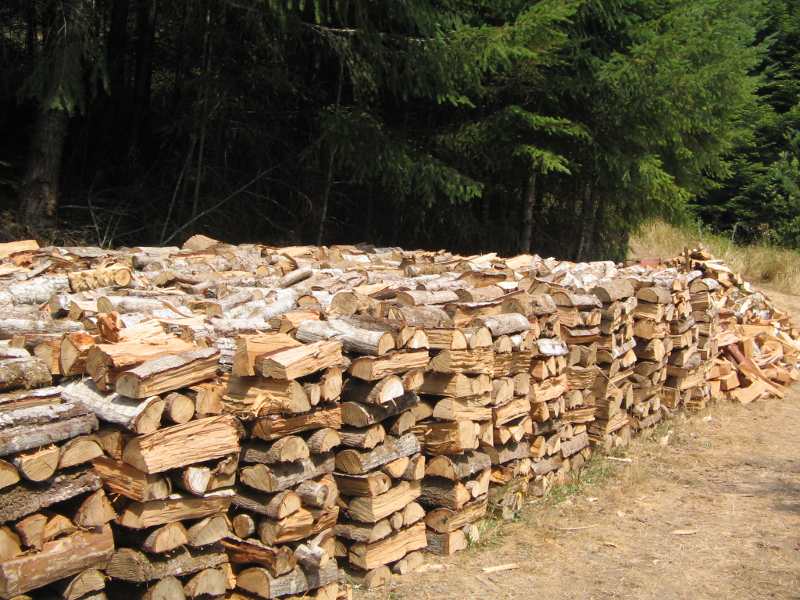
Firewood stacks with space between the rows. This space allows air to circulate between the stacks to allow them to dry.

Stacking will help by creating better air circulation. One long stack in direct sun is best. If you make multiple stacks side by side, be sure to leave at least a few inches of space between the stacks to allow air to flow between them. Learn how to stack firewood.

If you stack it in a shed it will likely dry slower because it will be shaded from the sun, since the walls may inhibit air flow. If you must store it in a shed, make sure it’s well ventilated and stack the wood so air can flow between the stacks. Just know that it will probably dry slower than if it was out in the sun.

Don’t cover your firewood pile with a firewood tarp or similar cover while it is still green or wet. This will hold in moisture and encourage mold and decay. Wait until your wood is dry before covering it. If it rains, it doesn’t matter if the wood gets rained on. The surface water from the rain will dry fast.

Believe it or not, according to many people, green wood that is is left out in the rain will dry even faster once it is in dry weather again. It is believed the moisture keeps the pores open while the cells lose their sap.

firewood tarp
Stacked firewood with tarp or plastic sheeting only covering the top. Sides are left open so air can circulate into the stack to help it stay dry.

How to Stack Firewood

How to Stack Firewood

Why Stack Firewood?

When you get a load of firewood the natural thing to do is stack it. But why do we stack it instead of leaving it in a big heaping pile? Although you could leave it in a pile, there are advantages to stacking firewood.

Firewood stacking is a good way to get your firewood off the ground and in a position where it can get good air circulation. This will allow it to dry faster, help it stay dry,and makes it easier to cover. Stacked firewood also takes up less space than a random pile and looks nicer. More about how to season firewood.

Firewood Stacking

Firewood stacking may seem like a simple job, and it is, but learning how to stack firewood can give you better quality firewood to burn and save you from a lot of unneeded work and potential problems.

Where to Stack Firewood

Stacking your firewood in the right place can save you a lot of work and help your wood dry. If your wood is green or wet, the best place to stack it is outdoors where it can be exposed to the sun. If it is dry, it’s best to stack it under cover in a shed, lean-to or other structure that is well ventilated. Covering firewood with a tarp works too when done properly.

If your firewood is wet or green, you can still stack it indoors, just be sure the structure has good air flow so it can dry. And know it may take longer to dry than if it was out in the sun.

firewood tarp
Firewood stacked with plastic sheeting or tarp only partly covering the sides to allow air flow.

If your wood is dry, and you don’t have a structure to put it in, you can stack it outdoors and cover it with a tarp or plastic sheeting, or other material to keep it dry. Just make sure you cover it in a way that allows air flow. Leave the sides of the stack exposed to the open air. If you put a tarp over the whole pile all the way to the ground it will hold in moisture.

See why covering your wood with metal roofing is a great way to keep it dry.

In selecting a place for your firewood keep in mind how convenient it will be to bring in to burn. Consider that it will probably be there a while and think of things you might be doing later and whether it might be in the way.

Check with local building and fire codes, in some areas outdoor firewood is recommended or required to be stored a certain distance from structures for fire safety.

How to Stack Firewood

When firewood stacking you will want to keep it off the ground. If you are stacking it on a hard floor or concrete slab that is fine but you can put stickers down to help air flow under the stack. If you are stacking it directly on the ground you will definitely want to put something on the ground first to keep the wood away from soil contact. Two parallel 2×4’s or similar objects placed the length of the firewood apart work great.

stacking firewood
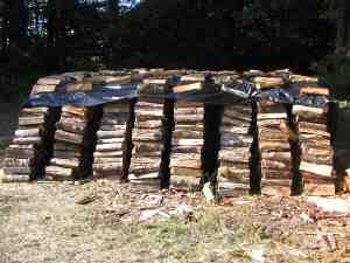
Firewood stacked with plenty of space between the stacks to allow the air to circulate and dry the wood.

If you are stacking against a wall, fence or other structure leave a few inches space to allow air flow. Also if you are making multiple stacks keep a few inches of space between the stacks.

Start stacking the pieces fitting them together as tightly as you can to make the pile stable. Notice the taper of the wood and invert the pieces so thick ends can be next to thin ends as needed so the pieces fit together well. Stack the pieces with the ends as even as you can to ensure a vertical stack. For a more stable stack keep the it no more than 4′ high or it could become unstable and fall over.

If you have a firewood rack or stakes at the ends or something to stack the ends against this will help you get nice vertical ends to your stack. If not you can criss-cross flat edged pieces like a log cabin on the ends to make them vertical. Otherwise you can just slope the ends but make sure the slope isn’t too steep or you may end up with a firewood avalanche. This can be dangerous especially if there are small kids or pets around. How to build a firewood rack that is simple and inexpensive.

Keep in mind that wood shrinks as it dries and the stacks may shift some over time. If one side gets sun exposure that side will shrink faster and can cause the stack to lean in that direction. When stacking green wood you may want to stack it so it leans a little away from the sun to compensate. Same with stacking against a wall or against other stacks. The out facing side of the stack will often dry faster and lean away toward the open space.

Keep safety in mind when firewood stacking and know that woodpiles can fall over. Keep children off of them.

Difference Between Seasoned and Green Firewood

What is the Difference Between Seasoned and Green Firewood?

Green wood is wood that has been fresh cut from a live tree and is still full of sap, which is mostly water. Seasoned wood is wood that has been cut and then left to cure so the sap evaporates out of the wood. Green firewood can be very difficult to burn and does not produce as much heat as seasoned wood. Much of the heat will be used up in boiling the water out of the wood and the heat will go out your chimney as steam instead of heating your home. If you put a green log on the fire you will soon see and hear steam shooting out of both ends. Burning green wood also creates much more smoke and can increase creosote buildup in your flue (chimney).

It can take from 6 months to a year for firewood to fully season. The time depends on several conditions such as size of the wood climate and how it is stored. Smaller pieces will dry faster than larger pieces and wood that is split will dry faster than unsplit rounds. Wood in a sunny well ventilated dry location will dry faster than wood that is shaded or unventilated or in a damp area.

There are advantages to buying green firewood as long as you buy it several months in advance to allow it to dry before you plan to burn it. Green firewood usually costs less and is usually more available than seasoned. If you stock up ahead of time you can be assured that it will be seasoned because you seasoned it yourself. This way you are not depending on someone else to bring you wood when you need it that may or may not be seasoned. Also seasoned wood may not be readily available when you need it. When the weather gets cold that’s when most people start buying and dealers may be busy and sometimes their supplies can run out. As long as you buy green firewood early in the summer and follow the tips in the firewood storage section it should be plenty dry for the next winter.

How to Store and Season Firewood

How to Store Firewood and How to Season Firewood

Knowing how to season firewood and knowing how to store firewood to keep it dry will make your wood will help provide better quality dry wood and can save you money. Dry firewood burns cleaner with less smoke and creosote and produces more heat from less wood.

One of the most important factors in drying and keeping your firewood dry is air circulation. To ensure proper drying your firewood should be stored in a well ventilated location. One of the most common mistakes people make is to pile their firewood directly on the ground and cover the whole pile with a tarp or plastic sheeting all the way to the ground. Covering the whole pile all the way to the ground just seals moisture inside and encourages mold and decay.

When possible keep your firewood away from direct soil contact to help keep it dry and clean. If you are going to store it on the ground place something on the ground first such as a tarp or plastic sheeting for a moisture barrier. Just about anything that will hold it up off the ground away from the soil will work, plywood, lumber, poles or even well drained gravel is better than soil.

If you cover your pile with a tarp cover the top but keep plenty of the sides exposed so the air can circulate under the cover to allow the moisture can escape. Some of the pieces of wood that are exposed on the sides may get wet when it rains but the wood inside under the tarp will stay much drier than if you had the pile covered all the way to the ground.

If your wood is already wet or green covering it with a tarp is usually pointless and will just encourage mold. It’s best to let it dry first in the open air or under a roof type of structure.

Covering your wood with metal roofing is a great alternative to tarps or plastic sheets.

One of the best ways to ensure air circulation is to stack your wood in a row or rows. When stacking against a solid surface such as a wall or fence stack it a few inches away from the surface. Also when stacking rows next to each other keep the rows a few inches apart. This allows space for air to circulate on both sides. Or even better just stack one row by itself in a way where the whole side of it will be exposed to the sun.

If you store your firewood inside a structure such as a shed make sure it is well ventilated so plenty or air can flow through. A lean-to, patio, carport or open walled shed is better for drying firewood than an enclosed wall shed.

If you have green firewood it is usually best to store it outside exposed to the wind and the sun until it is seasoned. If you store your firewood in a shed it is best to let it season outside in the sun before putting it in the shed.

When stacking firewood safety should be a priority. Make sure your stacks are stable so they will not tip over. Stacking firewood more than 4 feet high is asking for trouble. Keep a space between the stacks for proper drying but keep the space small enough to prevent children or pets from crawling between them, they could get stuck. Keep children away from and DO NOT let then climb on firewood stacks.

Gas Logs for a Fireplace

For those who want the comfort of a wood fire, but don’t want to put up with the hassles of firewood, gas logs for a fireplace can be a great alternative. Most of these gas log fireplace inserts are equipped to use either propane or natural gas. This can be a simple and relatively inexpensive way to convert a wood burning fireplace to a gas fireplace.

Gas fireplace logs come in two basic types, vented and non vented.

Vented gas fireplace logs are made to be used with the flue damper open to vent the exhaust gasses outside, the same as you would with a wood burning fire. The advantage is that all exhaust gasses are vented outside instead of into your home. They also typically burn with a yellow flame that looks more like a realistic wood burning fire. This is done by having a flame that burns with less oxygen, which produces a less clean but more beautiful flame.

The disadvantage of vented gas logs is, not only does the exhaust get vented outside, so does much of the heat. This makes this type of fireplace inefficient for heating. Efficiency can be as low as 10% of heat actually radiating into your home, while the rest goes out the chimney.

Unvented gas logs are made to be used with the damper closed. Because they burn so clean, the exhaust can be vented directly into the home, the same as the flames in a gas cooking stove. Since the damper is closed, all the heat is retained, which makes this very efficient for heating your home. Efficiency rates can be up to 95%.

Although it may seem alarming to vent the exhaust into the home, the emissions produced are harmless water vapor and carbon dioxide in small enough quantities that they are well under federal guidelines. In some states they are banned (such as ban happy California) and some people may complain of odors, or triggering asthma. But compared to having a wood fire, or even a candle burning in a room, the emissions in the air will probably still be cleaner from this type of fireplace.

There can be concern with oxygen levels being depleted and carbon dioxide build up, but they come with oxygen sensors that will shut the system down well before levels of concern are ever reached. And this rarely if ever happens. It would have to be an extremely air tight room for dangerous levels to be reached. They are also designed to prevent any unburned gasses from entering the room if it is left on without a flame.

The main disadvantage to non vented or ventless logs for fireplaces is they don’t have the pretty yellow flames that the vented units do. These are traditionally used where heating is more important than looks. But some modern models are starting to have flames that look more realistic along with the glowing coals, while still burning clean. This is why this type of system is becoming increasingly popular now.

Gas logs for fireplace systems should be installed by a professional. They are easy to install into a fireplace, but they also require that gas lines be plumbed into the fireplace. This is where hiring a qualified plumber can save your home and the lives of you and your entire family. You might be able to save a couple hundred dollars by installing it yourself, but an improperly installed gas line that starts to leak could lead to a disastrous fire, explosion and likely both.

People sometimes ask me if you can still burn wood with the gas logs. Not if you value your life and your home.

[table id=45 /]

Pellet Stove vs Wood Stove

Now that wood pellets are becoming more abundant, there is a lot of question about which is better, pellet stove vs wood stove. There are advantages and disadvantages to both pellet stoves and wood stoves so the choice you make with pellet vs wood stoves will really depend on your own heating needs, circumstances and preferences. Pellet stoves are commonly bought as an alternative to traditional wood stoves by people who like wood heat, but don’t want some of the disadvantages of heating with firewood and wood stoves.

Pellet stoves are a mystery to a lot of people, probably because they haven’t become as popular as traditional heating systems like gas, oil, electric or even wood stoves. Pellet heat hasn’t caught on as much partly because it’s a technology that has had a few challenges, such as a lack of consistent availability of fuel. Another reason is people just aren’t familiar and comfortable with something they don’t know much about.

It wasn’t until the late 70’s that pellets started to be considered as a source of fuel. Since then, traditional fuels have been relatively cheap and readily available so pellet heat has had a tough market to compete in. Now as fossil fuel and electricity prices continue to rise, and as people are looking for sources of renewable energy, pellet stoves will probably only become more popular as an alternative to fossil fuels.

Advantages of Pellet vs Wood Stove

Pellet stoves are thermostatically controlled just like a gas, oil, or electric heating system. Set your thermostat and your home will stay close to that temperature, without the temperature swings you get with a wood stove.

No more getting up in the night to put wood on the fire or getting up or coming home to a cold house. Pellets are fed into the combustion chamber automatically, so you don’t have to keep putting wood on the fire like you will with a wood stove.

Pellet stoves are the cleanest burning solid fuel burning appliance available. When operating properly, they produce no visible smoke and can be used where wood stoves are not allowed because of air quality regulations.

Pellet stoves are more efficient than wood stoves. They burn fuel more completely and extract most of the heat that is produced. Because of this, a pellet stove’s exhaust is cooler than a wood stove, so it does not require a chimney. It can instead use a simple exhaust vent that can be easily routed through a wall. This can make a pellet stove installation cost less than a wood stove installation.

With a pellet stove, you don’t have to carry firewood or stack it or deal with the mess. You fill the pellet hopper on the back of the stove maybe once every day or 2 depending on how much you burn.

Advantages of Wood vs Pellet Stove

One of the biggest advantages of a wood stove vs pellet stove is for a lot of people, they just like the idea and the atmosphere and comfort of a traditional wood fire. People have been heating this way since prehistoric time and it brings a satisfaction and comfort that no other source of heat has.

Firewood has been around longer than pellets, so in many areas it is more available. Firewood is easier for a consumer to produce, if you have the tools and material you can cut your own wood and save a lot of money. With a wood stove, you don’t have to depend on pellet mills and distributors to supply your fuel. With a wood stove, all you or the people that supply you with wood need is a saw and a source of wood.

Many people actually enjoy making or handling firewood as a source of exercise or a way to get in touch with the outdoors. For a lot of people, it is something that is a a tradition passed down through many generations.

A wood stove works even when the power is out. Pellet stoves use a small amount of electricity to power some of their internal components like the pellet feeding mechanism. So when the power goes out, or if you don’t have access to electricity, a pellet stove will not work. This problem can be solved with battery backup systems that are available.

When to Split Firewood

What is the Best Time to Split Firewood?

Deciding when to split firewood can depend on the species and the splitting tools you have available and what your objectives are. The most simple answer is to split the wood as soon as possible.

Splitting green or wet firewood as soon as possible can help it dry much faster. When firewood is split the surface area is greatly increased where moisture can escape. The woody part of a tree is designed to hold and transport water from the roots to the leaves without losing it. The outer layers of the wood including the bark is a protective layer that seals in moisture. When you split the wood you are opening up this sealed container so the moisture can escape.

Splitting the wood can also help prevent the wood from getting attacked by boring insects. Some wood boring insects are more likely to bore into whole green rounds but if the wood is split and starting to dry they will be more likely to avoid it.

The other deciding factor of when to split firewood is when it will be easiest to split. This can be a difficult question to answer because the answer can depend on the species and even the indivdual tree. Some species are easier to split when they are green and get tough as they dry. There are also other species that are tough when they are green but get easier to split as they dry. Not only does this vary between species, it also varies between different trees. Within any species there will be individual trees that have different splitting characteristics.

Now it gets even more complicated. There are some species that are easy to split green that get tough as they dry, but then they get easier again as they age and start to crack. With some if you cut them into rounds and let them dry they will get tough. But if the tree dies standing and the wood dries naturally from moisture transpiring through the leaves before the wood will in some cases be easier to split than if it was cut green. But with some wood it’s the opposite. Also some woods split easier when they are frozen so in that case cold weather may be the best time to split them.

If you are going to be splitting the wood by hand you may want to consider the species and split it when it’s easiest to split. If you have a mechanical splitter the ease of splitting doesn’t mater as much. With a mechanical splitter it’s usually best to split the wood as soon as possible.

Firewood Cord Dimensions to Get a Full Cord of Wood

If you are buying or selling firewood, it is important to know what the firewood cord dimensions are to make sure you get a full cord of wood. Measuring firewood is simple and knowing how will help you from getting ripped off.

Firewood is sold in full cords, face cords, ricks and other measurements. The difference in the amount of wood in a face cord or rick can be very different than a full cord of wood.

A cord, sometimes misspelled “chord” is 128 cubic feet. This comes from the common firewood dimension of 4’x4’x8′. A cord of wood is the amount of wood that can be tightly stacked in those dimensions. Wood that is randomly piled  has more air space between pieces and would need to be closer to 180-190 cubic feet to make a full cord.

A face cord or rick is not always a reliable measurement since it is not an actual volume of wood. Face cords and ricks are different things depending on who you talk to, but in most cases they refer to a single row of stacked wood that is 8 feet long and 4 feet high. The problem with this measurement is the amount of wood you get will depend on the length of the firewood pieces. The longer the pieces, the more wood there will be in a rick or cord of wood. When buying wood in these measurements make sure the seller specifies the length of the pieces.

Face cord or rick with 12″ pieces = 1/4 cord

Face cord or rick with 16″ pieces = 1/3 cord

Face cord or rick with 24″ pieces = 1/2 cord

If you are buying firewood, knowing how to measure firewood can help you make sure you get the full amount you order. To measure a stack of wood simply measure the length, height and width of the stack and multiply those numbers together. Then divide that number by 128. That will tell you how many cords or fraction of a cord you have.

If the wood is in a heaping pile that will make it a little more difficult. You may have to do some estimating on the dimensions. To to get a full cord this way it should be closer to 180 cubic feet instead of 128.

When someone brings you firewood, don’t be afraid to measure the load before they unload it. An honest firewood dealer should be happy to let you measure the load. If they object or even act offended, think twice about buying from them. If what they bring is not what you ordered you don’t have to buy the wood. Just make sure you decide this before they unload it.

Learn in more detail about how to measure firewood and examples of common cord of wood dimensions.

When ordering a cord of wood, you are usually at the mercy of the firewood seller to bring you a full cord. There are many honest firewood dealers but there are also many who may not bring you what they promise you. How do you protect yourself and make sure you get what you order?

When delivering firewood, I often hear a lot of stories from customers about their experiences with firewood dealers, many of them are not good. A firewood business is something that anyone with a strong back, a pickup and a chainsaw can get into. But a lot of intelligence is not always required. So sometimes firewood dealers are not always the most business savvy people. This is of course not all of them. There are many reputable firewood businesses that have had happy customers for many years or decades.

One of the best ways to make sure you get a full cord of wood is to know what the dimensions of a cord of wood is before it gets unloaded at your home. Don’t be afraid to ask the dealer what the dimensions of their delivery vehicle is before they deliver. Also let them know that you will be measuring the load before it is unloaded at your home. If they will not give you those measurements and do not allow you to measure the wood, you may be better to find a different dealer.

Measuring a cord of wood is easy, but most people are just unaware of what a cord is or how to measure it. And many might be afraid of offending the dealer by questioning their product. But there is no need to worry about that. Most reasonable dealers will likely just see you as being a savvy consumer and will be more likely to bring you a full cord of wood if they know you will be measuring it.

Most consumers will take the wood once it is delivered no matter what. But it is ok to inspect the wood before it is unloaded and decide if you want it or not. If the load of wood does not measure up to a full cord or is otherwise not acceptable, you are not obligated to buy it. Just make sure you make the decision before it is unloaded.

Learn about firewood measurements and cord of wood dimensions. Knowing how to measure firewood can help to make sure you get a full cord and know when to reject a load of wood if it is not the full amount.